
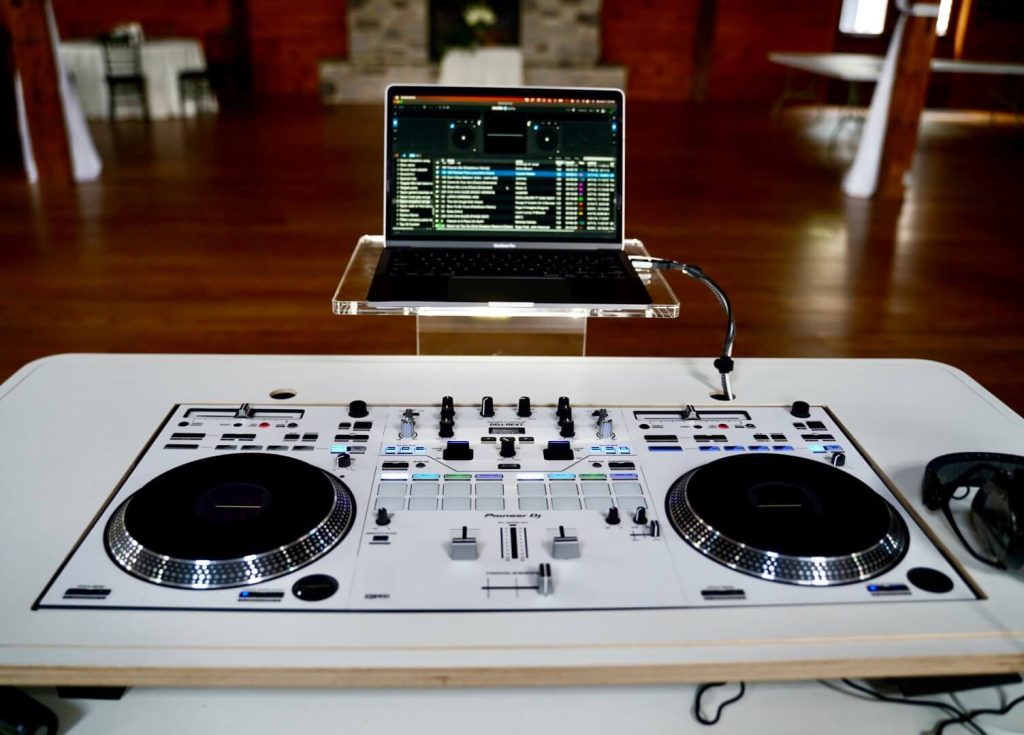
Ask any Lancaster wedding DJ what separates a reception that guests talk about for years from one they quietly forget before the drive home. The answer, almost every time, isn’t the music selection. It isn’t the lighting. It isn’t even the dance floor. It’s the timeline. And the wedding reception timeline, DJ approved, always suits the best.
A wedding reception is not a playlist. It is a five-to-six-hour sequence of distinct emotional moments — each one with its own energy, its own pace, its own demands on the room. The cocktail hour feels different from the grand entrance. Dinner feels different from peak dancing. The last song is a world apart from the first toast. And every transition between them either flows or stumbles, depending on how carefully the timeline was built and how well the DJ executes it.
This guide gives you the complete, DJ-approved wedding reception timeline for Lancaster, PA weddings in 2026 — hour by hour, event by event, with the music cues, transition strategies, and common mistakes that experienced DJs see Lancaster couples make every single season.
Why a DJ-Approved Wedding Reception Timeline Changes Everything
There is a version of your wedding reception where every moment lands exactly as you imagined it, where dinner conversation builds naturally into dancing, where the first dance feels like a private moment even with two hundred people watching. Where the energy never dips at 9 PM, and the last song brings guests to their feet rather than their car keys.
That version doesn’t happen by accident. It happens because someone — ideally your DJ — has mapped the entire evening in advance, built in buffers for delays, coordinated with your caterer and planner, and understands the emotional arc of a reception well enough to adjust in real time when something shifts.
Without a proper wedding reception timeline, receptions drift. Toasts run long and bleed into dancing. Dinner stretches and compresses everything after it. The first dance happens too early, before guests have settled. The dance floor empties at 9:30 PM because nobody managed the energy transitions. These are not rare scenarios. They are the most common complaints at Lancaster County weddings, where the timeline was never properly built.
| The DJ’s Role in Your Timeline |
| A professional Lancaster wedding DJ is not just the person who plays music. They are the timeline manager for your entire reception — coordinating with your caterer, your photographer, your planner, and your family, so every event happens at the right moment and in the right order. This is why choosing a DJ who also serves as MC is so important. |
How Long Should a Wedding Reception Last in Lancaster, PA?
Before you build your timeline, you need to know your window. Most Lancaster wedding receptions run four to six hours. The venue rental period, your caterer’s service time, and your DJ’s contracted hours all set the boundary.
Four hours is the absolute minimum for a full reception with dinner and dancing. It is tight — the kind of tight where one delayed toast turns the rest of the evening into a scramble. Five hours is the comfortable standard. Six hours is the premium experience, with room for every event and a genuine dance floor peak that doesn’t feel rushed.
- 4 hours: Possible but leaves no buffer. Every event must run precisely on time.
- 5 hours: The Lancaster wedding standard. Covers dinner, all formalities, and two-plus hours of open dancing.
- 6 hours: Ideal for large weddings (150+ guests) or celebrations where dancing is the priority.
- 6+ hours: Build in overtime budget — $150 to $300 per hour is the Lancaster market rate.
One consistent recommendation from experienced Lancaster DJs: always budget more time than you think you need. Receptions rarely run short. They run long, and the couples who planned for that are the ones who end the night without stress.
The Complete Wedding Reception Timeline: DJ-Approved Schedule for Lancaster Weddings
Below is the master reception timeline template used by professional Lancaster DJs for a standard 6:00 PM reception with a 5:00 PM cocktail hour. Adjust the start times to match your venue’s schedule — the relative durations between events are what matter most.
Time |
Reception Event |
What Your DJ Is Doing |
Duration |
| 4:30 PM | DJ Setup & Sound Check | Arrives early — equipment loaded, levels tested | 60–90 min |
| 5:00 PM | Cocktail Hour Opens | Smooth jazz, acoustic, or light pop at low volume | 60 min |
| 5:55 PM | Guest Transition to Ballroom | Music fades, a brief announcement guides guests in | 5 min |
| 6:00 PM | Wedding Party Announcement | Hype music, individual intros for the wedding party | 5–8 min |
| 6:10 PM | Couple’s Grand Entrance | Entrance song — full volume, lights up, MC hypes | 3–5 min |
| 6:15 PM | Welcome Toast (Host or Father) | MC introduces, volume drops, mic handed off | 5–8 min |
| 6:25 PM | Dinner Service Begins | Elegant dinner playlist, soft and conversational | 60–75 min |
| 7:15 PM | First Dance | Announces couple, featured song, spotlight moment | 3–5 min |
| 7:22 PM | Parent Dances | Father-daughter + mother-son songs, MC introduces | 5–8 min |
| 7:32 PM | Cake Cutting | The couple’s chosen song, the MC announces and directs | 4–6 min |
| 7:40 PM | Best Man & MOH Toasts | MC coordinates, music off, full attention on the speaker | 15–20 min |
| 8:00 PM | Open Dancing — Phase 1 | High-energy opener, crowd-builder, reads the room | 45 min |
| 8:45 PM | Open Dancing — Phase 2 | Adjusts genres, sustains energy, guests warmed up | 45 min |
| 9:30 PM | Open Dancing — Peak Hour | Dance floor is full — this is the centrepiece | 60 min |
| 10:30 PM | Bouquet & Garter Toss | Fun, light-hearted tracks, MC directs guests | 10–15 min |
| 10:45 PM | Last Song Announcement | MC gives 10-min notice, builds anticipation | 5 min |
| 10:55 PM | Final Song + Grand Exit | Epic closer, guests line up, couple exits in style | 5–8 min |
| 11:00 PM | Reception Ends | Music off, thank-you announcement, lights up | — |
The Gold Row = Peak Dancing Hour |
| The highlighted row (9:30 – 10:30 PM) is the centrepiece of your reception. This is when the dance floor is fullest, energy is highest, and your DJ is working hardest. Every decision in your timeline — when to schedule toasts, when to cut the cake, when to do the bouquet toss — should be made to protect this window. |
Hour-by-Hour DJ Timeline Breakdown for Lancaster Wedding Receptions
The Cocktail Hour: Setting the Tone Before Anyone Sits Down
Cocktail hour is the most underestimated part of the wedding reception timeline. Guests are arriving, finding each other, pouring their first drink, and forming first impressions of the evening. The music playing underneath all of this is doing quiet but essential work.
Experienced Lancaster DJs keep cocktail hour music soft enough for conversation and sophisticated enough to signal that this is a special occasion. Jazz, light acoustic pop, and mellow R&B are the consistent choices. Volume sits at roughly 60% — present enough to fill the room, low enough that guests don’t have to raise their voices. The goal is atmosphere, not attention.
The Grand Entrance: Your First Real Moment as a Married Couple
Nothing in the wedding reception timeline is more binary than the grand entrance. It either lands and electrifies the room — or it falls flat, and you spend the rest of dinner feeling like the energy never quite recovered.
A professional Lancaster wedding DJ builds the entrance. They introduce the wedding party individually, letting energy accumulate. By the time your name is called and the doors open, the room is already on its feet. The song choice matters — it should be something that means something to you, but that also has the tempo and build to carry the moment. Your DJ should have consulted on this choice weeks in advance.
Dinner and Formalities: Managing the Quietest Part of the Night
Dinner is where timelines most commonly drift. Courses run long. Guests linger at tables. Toasts go off-script and double their planned length. An experienced DJ and MC manages all of this — keeping the background music at conversation-friendly levels, watching the caterer’s signals, and gently steering the timeline back on track when it slips.
The first dance, parent dances, and cake cutting all live in this window. The sequencing matters: first dance after some dinner has been served (not immediately on arrival), parent dances while guests are still seated and attentive, and toasts before the dance floor opens. Reversing any of these creates energy problems that take the entire rest of the evening to recover from.
Open Dancing Phase 1: Building the Floor
The first fifteen minutes of open dancing are the most fragile. Guests are unsure whether to dance. The floor looks empty and intimidating. The wrong song choice at this moment — something too slow, too unfamiliar, or too specific to one demographic — empties the floor before it ever fills.
Experienced Lancaster DJs open dancing with crowd-warmers: well-known feel-good tracks that cross generations and get bodies moving without demanding full commitment. Think recognisable hooks, songs people know the words to, and tempos that invite movement without requiring performance. The goal for this first phase is to fill the floor, not to peak it.
Peak Dancing Hour: 9:30 PM – 10:30 PM
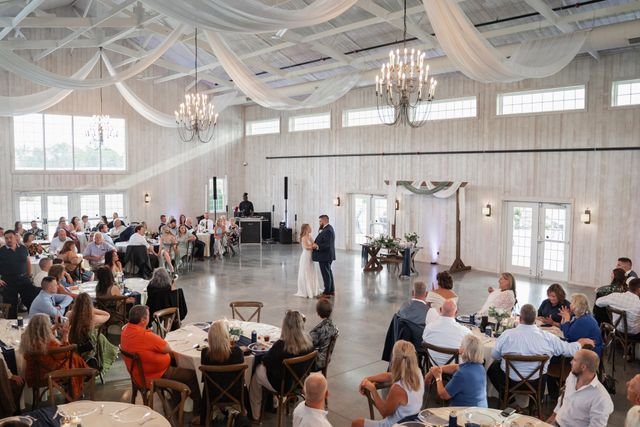
This is the centrepiece of your entire wedding reception. The floor is full. Shoes have been kicked off. Grandparents have gone home, and the dance floor belongs to the people who are going to stay until the lights come on. A skilled DJ reads this moment and holds it — sustaining the energy through song selection, tempo management, and real-time crowd reading rather than running a pre-set playlist.
Protect this window fiercely when building your timeline. No toasts, no announcements, and no interruptions except the bouquet toss, which should feel like an energetic pause rather than a stop. This is what couples and guests remember most — and it only happens if everything before it was carefully sequenced.
The Last Song: Ending the Night With Intention
The last song of a wedding reception is a decision most couples make without enough thought — and then remember forever. A great closer sends everyone out on a high. A flat one deflates the whole evening in its final moments.
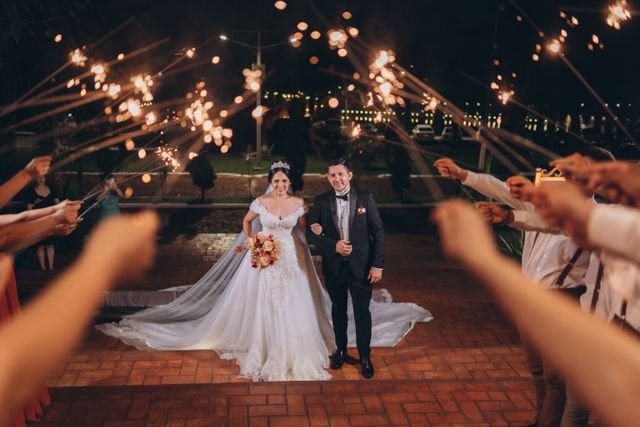
Professional Lancaster DJs handle the last song in two steps. About ten minutes before the end, the MC announces that the evening is winding down and invites everyone onto the floor for the final songs. Energy builds rather than drops. Then the last song — chosen in advance by the couple — plays as a finale, often accompanying the grand exit or sparkler send-off. This is how the wedding reception timeline, DJ-approved, works perfectly.
Wedding Reception Music Timeline: What Plays When and Why It Matters
Understanding the music arc of your wedding reception timeline helps you and your DJ align on expectations before the event. Here is exactly what plays in each phase and what energy it should carry:
| Phase | Time Window | Music Style | Energy Level |
| Cocktail Hour | 5:00 – 6:00 PM | Jazz, acoustic pop, soft R&B | Low — conversational |
| Grand Entrance | 6:10 – 6:20 PM | Upbeat, couple’s choice, hype track | High burst |
| Dinner | 6:25 – 7:30 PM | Background pop, soft classics, acoustic | Low — ambient |
| First Dance | 7:15 – 7:20 PM | The couple’s chosen song only | Intimate focus |
| Parent Dances | 7:22 – 7:30 PM | Traditional or couple-approved picks | Warm, sentimental |
| Early Dancing | 8:00 – 8:45 PM | Crowd-warmers, feel-good classics | Medium — building |
| Mid Dancing | 8:45 – 9:30 PM | Mix of decades, DJ-read crowd | High — sustained |
| Peak Dancing | 9:30 – 10:30 PM | Current hits, requests, peak energy | Maximum — full floor |
| Wind Down | 10:30 – 10:55 PM | Slower pace, sentimental closer set | Declining warmly |
| Last Song | 10:55 – 11:00 PM | Epic finale, couple’s exit song | Final burst |
For a complete breakdown of which specific songs perform best during dancing — and which ones consistently empty a floor — see the companion guide: Songs That Keep a Lancaster Wedding Dance Floor Packed All Night at oramaproductions.net/best-wedding-reception-songs-dance-floor/
How a Professional Lancaster DJ Manages Reception Timeline Transitions
Transitions are the invisible architecture of a wedding reception. Guests don’t consciously notice them when they work well — they simply feel like the evening is flowing naturally. When they don’t work, the seams show: dead air, confused guests, an MC who sounds uncertain, a dance floor that hasn’t been properly primed.
Here is how experienced Lancaster DJs handle the five most critical transition moments in the wedding reception DJ timeline. The ultimate wedding reception timeline, DJ-approved, is:
- Cocktail hour to reception seating: Music fades gradually over 90 seconds while MC makes a warm, clear announcement — never a hard cut.
- Grand entrance to dinner: Energy drops purposefully, not abruptly. DJ transitions to elegant dinner music within 30 seconds of the couple being seated.
- Dinner to dancing: The DJ uses a transitional track — something with energy but not full intensity — to signal the shift before the first dance song.
- Formalities to open dancing: After the last toast, there is a 60-second buffer before dancing opens. Guests need to physically transition from sitting to moving.
- Peak dancing to wind-down: Never an abrupt drop. Three to four songs of gradually reducing tempo guide guests to a natural emotional conclusion.
| ???? The 60-Second Rule for Every Transition |
| A professional DJ plans for at least 60 seconds of intentional transition between every major reception event. That window — a brief musical bridge, a soft MC comment, a gradual volume change — is what prevents the jarring, disjointed feeling that separates amateur receptions from professional ones. |
Common Wedding Reception Timeline Mistakes Lancaster Couples Make
After hundreds of Lancaster County weddings, certain timeline mistakes appear season after season. Most are preventable — but only if you know to look for them before the day arrives:
| Common Timeline Mistake | What Goes Wrong | The Fix |
| First dance immediately after grand entrance | No dinner energy build-up | Allow dinner to settle before guests |
| Back-to-back slow songs early in dancing | The dance floor clears fast | DJ reads the room — trust their set |
| Toasts during open dancing | Energy completely killed | Schedule all toasts before 8 PM |
| Ceremony running 30+ minutes late | Everything else compresses | Build a 20-min buffer into your plan |
| No last song announcement | Guests unprepared, abrupt end | 10-min notice + grand exit plan |
| Too many must-play songs back-to-backTheThe | DJ can’t read the crowd | Give preferences, not a rigid playlist |
| Cake cutting during peak dancing | Interrupts the best part of the night | Cut the cake before 8 PM while seated |
| Underestimating vendor coordination time | Timeline slips every 15 min | DJ + planner + caterer aligned pre-event |
| ⚠ The Most Expensive Mistake: No Buffer Time |
| The most common timeline disaster at Lancaster weddings is a ceremony that runs 20–30 minutes late with no buffer built into the reception schedule. Every event that follows gets compressed. Toasts happen during dancing. Dinner runs into peak dancing hour. The last song plays 45 minutes too early. Build at least a 20-minute buffer between ceremony end and reception start — always. |
Frequently Asked Questions: Wedding Reception Timeline in Lancaster, PA
How long should a wedding reception last in Lancaster, PA?
Most Lancasup ter wedding receptions run five hours — the comfortable standard that allows for a full cocktail hour, dinner with all formalities, and two-plus hours of open dancing. Four hours is workable, but leaves no buffer for delays. Six hours is ideal for large weddings or couples who want a genuine peak dancing window without feeling rushed. Always budget at least one hour beyond what you think you need. And then the wedding reception timeline, the DJ approved will fire the floor.
When should the first dance happen during the wedding reception timeline?
The first dance works best after dinner has been served — not immediately after the grand entrance. Guests who have eaten are more relaxed, more emotionally open, and more likely to give the moment their full attention. Most experienced Lancaster DJs recommend scheduling the first dance approximately 45 to 60 minutes into dinner service, before the cake cutting and toasts.
What time should a DJ start playing at a Lancaster wedding reception?
Your DJ should begin setting up 60 to 90 minutes before the reception starts. Music should begin at the exact moment guests begin arriving for cocktail hour — typically 5:00 PM for a 6:00 PM reception. The DJ’s contracted performance time starts when music plays for guests, not when load-in begins. Make sure your contract reflects this distinction clearly.
How do I keep the wedding reception energy from dipping after dinner?
The two most effective tools are sequencing and song selection. Schedule all formalities — toasts, parent dances, cake cutting — before 8 PM so the dance floor opens without interruption. Then trust your DJ to manage the musical arc: crowd-warmers first, peak energy in the 9:30 PM to 10:30 PM window, sustained throughout by real-time crowd reading. A DJ who also serves as MC can also use verbal energy cues at key moments to re-engage guests.
How many must-play songs should I give my Lancaster wedding DJ?
A practical guideline: provide 10 to 15 must-play songs and 10 to 15 do-not-play songs. Beyond that, give your DJ stylistic direction — genres, eras, energy preferences — and trust their professional judgment. DJs who are given rigid, 40-song playlists cannot read the room effectively. The couples with the best receptions in Lancaster almost always give their DJ creative flexibility within clear boundaries.
|
Book Your Lancaster Wedding DJ Today Orama Productions brings 25+ years of Lancaster County wedding experience to every reception. We don’t just play music — we manage your entire evening, from the first cocktail hour track to the last song of the night. Get your free, no-obligation quote today. |

